Digital Accessibility Assessment: Accelerating WCAG Compliance & Building Internal Capacity
Case Study
Washington Department of Revenue


The Problem
With the DOJ accessibility deadline approaching, the Washington State Department of Revenue (DOR) needed to make its digital services accessible—but faced a complex ecosystem of websites, applications, and third-party tools, and limited time and resources to get there.
Without a clear plan, the agency risked non-compliance, legal exposure, and inaccessible experiences for the people who rely on their services. They needed a way to quickly assess the scope of work, prioritize efforts, and build internal capacity for long-term accessibility efforts.
The Solution
Anthro-Tech provided a clear, agile path to accessibility compliance, proving that a government agency can move fast when it has the right tools, vendors, and strategies in place.
We began with a stakeholder workshop to create a data-driven framework for evaluating and prioritizing DOR’s digital assets based on usage and legal risk, ensuring every dollar was spent where it mattered most. This led to a comprehensive digital accessibility assessment plan that was immediately actionable.
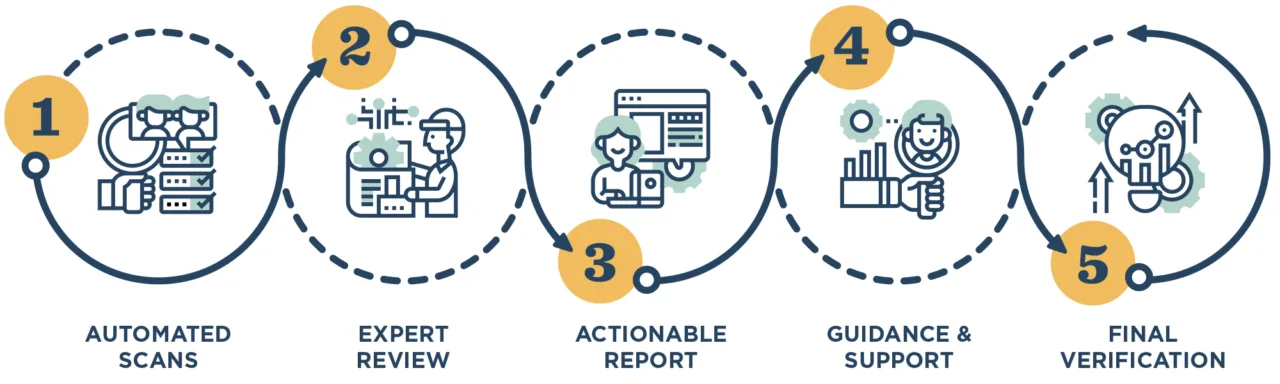
Anthro-Tech's Accessibility Evaluation Process
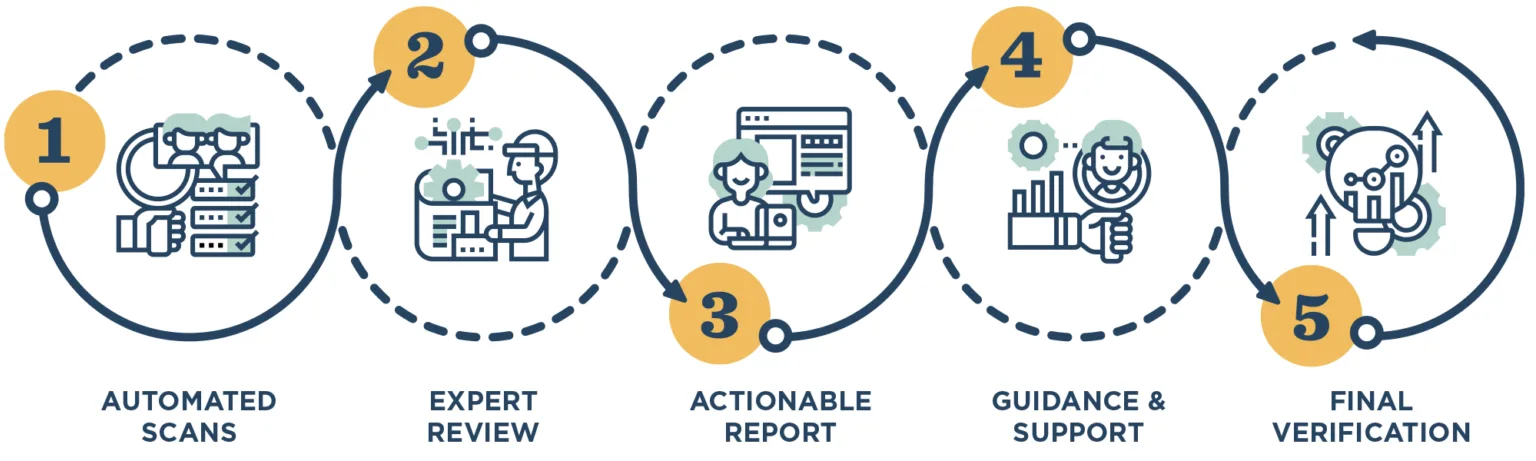
The assessments were conducted over 7 two-week sprints, an agile method essential for maximizing value under a tight deadline. Our rigorous evaluation, which included both automated accessibility scans and in-depth manual reviews with screen readers, covered 24 digital assets and 2 third-party VPATs.
We identified 374 issues across the assets, prioritized by their impact on users, and provided actionable reports at the end of every sprint. This rapid feedback loop allowed their development teams to begin remediation immediately, saving valuable time before the 2026 deadline.
Beyond the technical findings, we held regular debriefs with developers, so they understood each issue, why it mattered, and how to address it, building the skills to apply this approach across other platforms. We advised leadership on the scale of accessibility issues and recommended strategies for prioritizing, resourcing, and training, helping embed accessibility into their day-to-day operations.
The Impact
Our partnership helped the Department of Revenue shift from reactive compliance to long-term process improvements by strengthening their accessibility maturity and building internal capacity.
Maximized Return-on-Investment and Accelerated Value
By prioritizing the most critical assets, we ensured a strategic and efficient use of resources. Our sprint-based delivery allowed DOR to begin remediation immediately, maximizing their time to meet the 2026 deadline.
Built Internal Capacity
Our collaborative process raised the “accessibility IQ” of DOR’s web developers and empowered their teams to independently identify and remediate issues. We:
- Provided templates, overviews, and examples so teams could repeat our evaluation approach
- Held regular debriefs to explain not just what to fix, but how to fix it and why it mattered
- Helped the sponsor prepare an executive briefing to advocate for future training and resources
- Supported planning efforts to mature and grow the agency’s accessibility practice
Exceeded Project Scope
Our team’s efficiency and streamlined process allowed us to remediate an additional 30 high-priority documents, exceeding the initial project goal and providing extra value.
Ultimately, we helped the Washington Department of Revenue move beyond simply meeting a deadline. Our experts strengthened their accessibility maturity, established repeatable processes, and built the internal capacity to sustain accessibility—so all users can access the essential services they provide for years to come.